An image of Environmental & Public Health International’s Drinking Water Partners.

United Nations-recognized training advancing Flint Water Crisis lessons. Listed in MERLOT, a trusted consortium for universities. Featured by WC&P MagazineInside EcologyThe Driller, and Water Program Portal.

unep-aligned-clean-water-equity-tool-advances-un-sdgs


Infographic showing how the Lead Service Line Replacement Cost Calculator (LSLRCC) advances the United Nations (UN) Sustainable Development Goals (SDGs) by promoting public health, clean water equity, and sustainable infrastructure.

This infographic illustrates the impact of the Lead Service Line Replacement Cost Calculator (LSLRCC) on advancing the United Nations Sustainable Development Goals (SDGs). Recognized by UNEP, the LSLRCC supports public health by reducing lead exposure, promotes clean water and sanitation, fosters economic growth, and aids sustainable infrastructure development. It aligns local, Tribal, and federal stakeholders around shared equity and environmental goals.

Are you involved in overseeing the Safe Drinking Water Act and safeguarding public health? Enhance your efforts with our Flint Water Crisis: Online Drinking Water Training. This specialized training supports federal and state regulators and public water systems in improving drinking water quality and preventing another crisis. Explore our Flint Water Crisis: Lessons Learned Training Brochure and Flint Water Crisis: From Crisis to Recovery Training Brochure for more details about our training. Learn more about the mission of Environmental & Public Health International and how we’re dedicated to improving drinking water quality. For broader context, see our overview of lead service line replacements.

Public Water System Operator Training
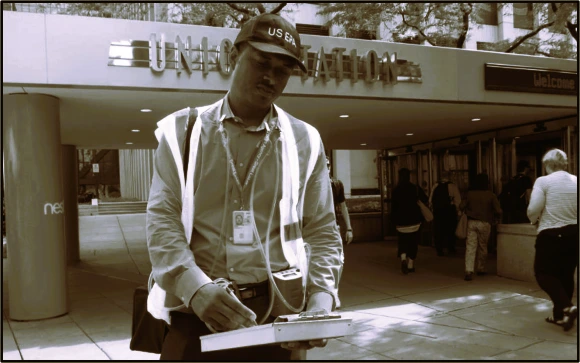
Environmental & Public Health International Director Anthony Ross served as EPA’s Flint Safe Drinking Water Act Emergency Coordinator during the water crisis. Photo Source: EPA
Lead Service Line Replacement Program